
About Piszkéstető Mountain Station
The Konkoly Observatory |
|
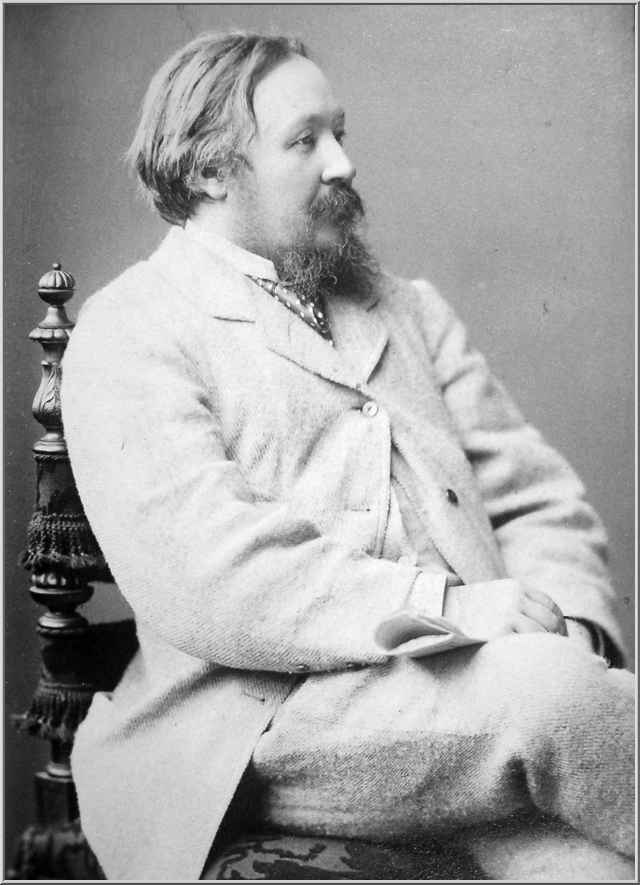
| The Konkoly Observatory (Astronomical Institute) of the Hungarian Academy of Sciences has evolved from the private observatory established by Miklos Konkoly-Thege in 1871 in Ogyalla. In 1899 he donated the telescopes and instruments to the Hungarian state to ensure the furtherance of his work. Konkoly-Thege continued his activities as director of the observatory until his death in 1916. After World War I the equipment of the observatory was transferred to Budapest. The Institute known under the name Konkoly Observatory came into being in the late twenties when the construction and installation work had been completed and the activities could be continued. To complement the early set of telescopes a 60 cm Heyde-Zeiss Newton telescope was acquired in 1928, this telescope is still in operation. At that time Antal Tass was the Institute's director; his activities led to appreciable progress in astronomical research. Together with the Heliophysical Observatory in Debrecen, it forms the main astrophysical institute of the Hungarian Academy of Sciences. Research includes observations with our 0.5-1 m class optical telescopes in Budapest and in the Piszkéstetõ Mountain Station, theoretical works and involvement in space projects. |
|
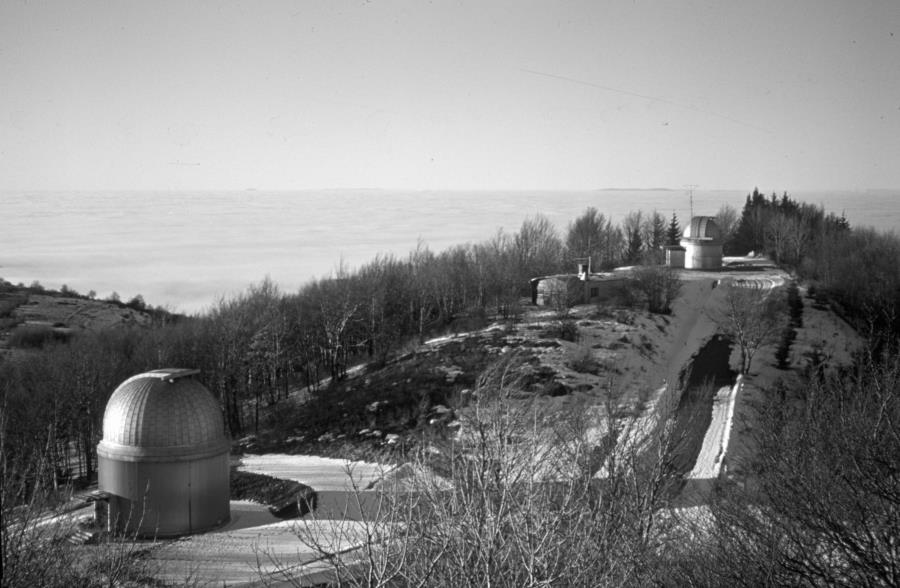
Piszkéstető Mountain StationIn 1952 the Institute became one of the scientific institutes under the supervision of the Hungarian Academy of Sciences. Under the auspices of the Academy, the development of astronomical studies in Hungary received renewed impetus. The construction of Piszkesteto Observatory in the Matra mountains, about 120 km north-east of Budapest, started in 1958. Three telescopes currently operate in this Observatory: the 60/90 cm Schmidt telescope has been operating since 1962, the 50 cm Cassegrain since 1966; the 1 m RCC since 1974. |
|
Many thanks for Miklós Rácz who made most of the pictures presented in this web page!